
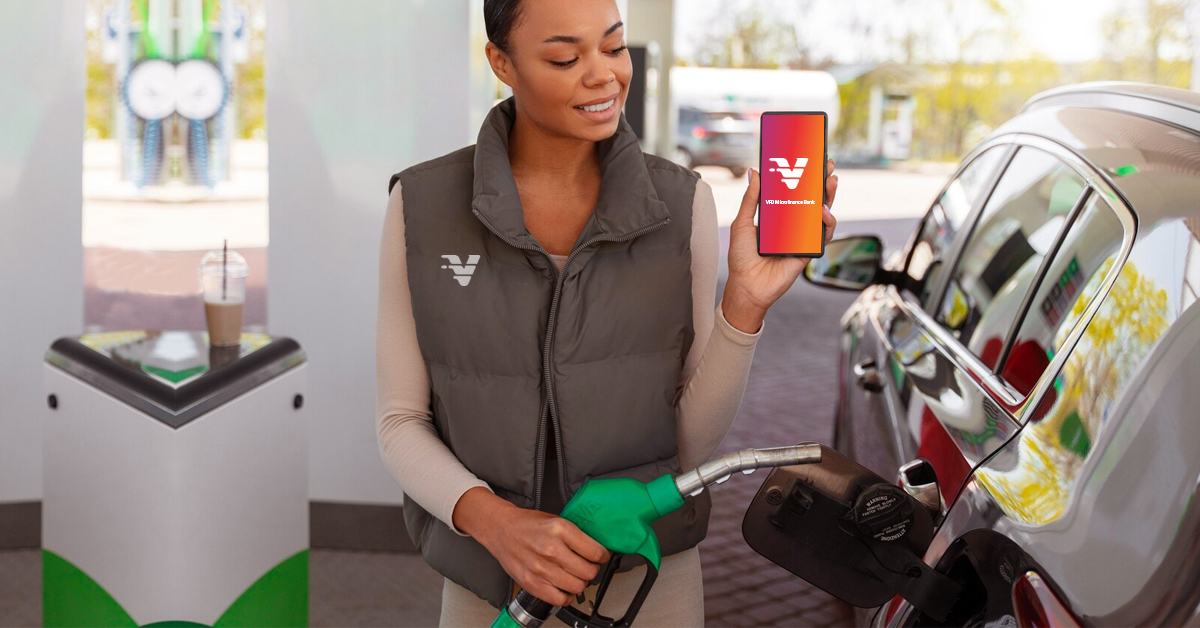

The recent surge in fuel prices across the country will undoubtedly remain unpleasant for many Nigerians, as households struggle to keep up with the rising cost of goods and services.
To navigate the impact of these economic realities, families have started cutting down on food and household fuel expenses, while many companies adopt online technology solutions for remote work.
However, these measures may not be enough to fully mitigate the effects of the fuel price hike, as developing an effective personal finance strategy will go a long way in providing the shock absorber you need.
Therefore, making informed financial decisions and developing good financial habits are essential steps to minimize the impact of fuel price increases on your personal finances and manage your expenses effectively.
Here are some important tips to consider:
Plan your budget: The first step to surviving fuel price increases is to plan your budget. While being undisciplined can be a danger to your budget, being overly frugal may lead to misery.
Having awareness of budgeting pitfalls and access to tools that help you budget properly is key. For example, you can access the budget feature on the VFD app in just 2 minutes.
Then, follow these simple steps to create a smart budget:
- Login to your V account
- Tap the More button
- Select ‘set budget’
- Choose the budget options you want and save.
Cut back on unnecessary expenses: To save money during periods of fuel price increase, it’s important to cut back on unnecessary expenses.
This may include eating out less frequently, reducing entertainment expenses, and avoiding impulse purchases.
Consider carpooling or using public transport: If possible, consider carpooling with friends or colleagues to save on fuel costs. Alternatively, using public transport can also reduce your fuel expenses.
Use fuel-efficient vehicles: If you’re in the market for a new car, consider purchasing a fuel-efficient vehicle. These vehicles are designed to consume less fuel and can help you save money in the long run.
Plan your trips: Try to plan your trips in advance to minimize the number of trips you take. This will help you save money on fuel and reduce your carbon footprint.
Use technology to save money: There are several apps that can help you find the cheapest fuel stations, track your fuel consumption, and plan your trips more efficiently.
V bank app, for example, provides seamless access to competitive interest rates and a suite of financial management tools, making it highly recommended.
Consider alternative energy sources: Finally, consider using alternative energy sources, such as solar or wind power, to reduce your dependence on fossil fuels and save money in the long run.
In conclusion, developing good financial habits and making informed financial decisions are crucial for navigating the impact of fuel price increases.
VFD Microfinance Bank offers a range of robust and professional financial solutions, from Target savings accounts to Fixed Deposit Accounts and Crew Savings.
V Bank empowers individuals and organizations to take control of their finances and achieve their financial goals.
V Bank can be accessed on all iOS and Android devices.