
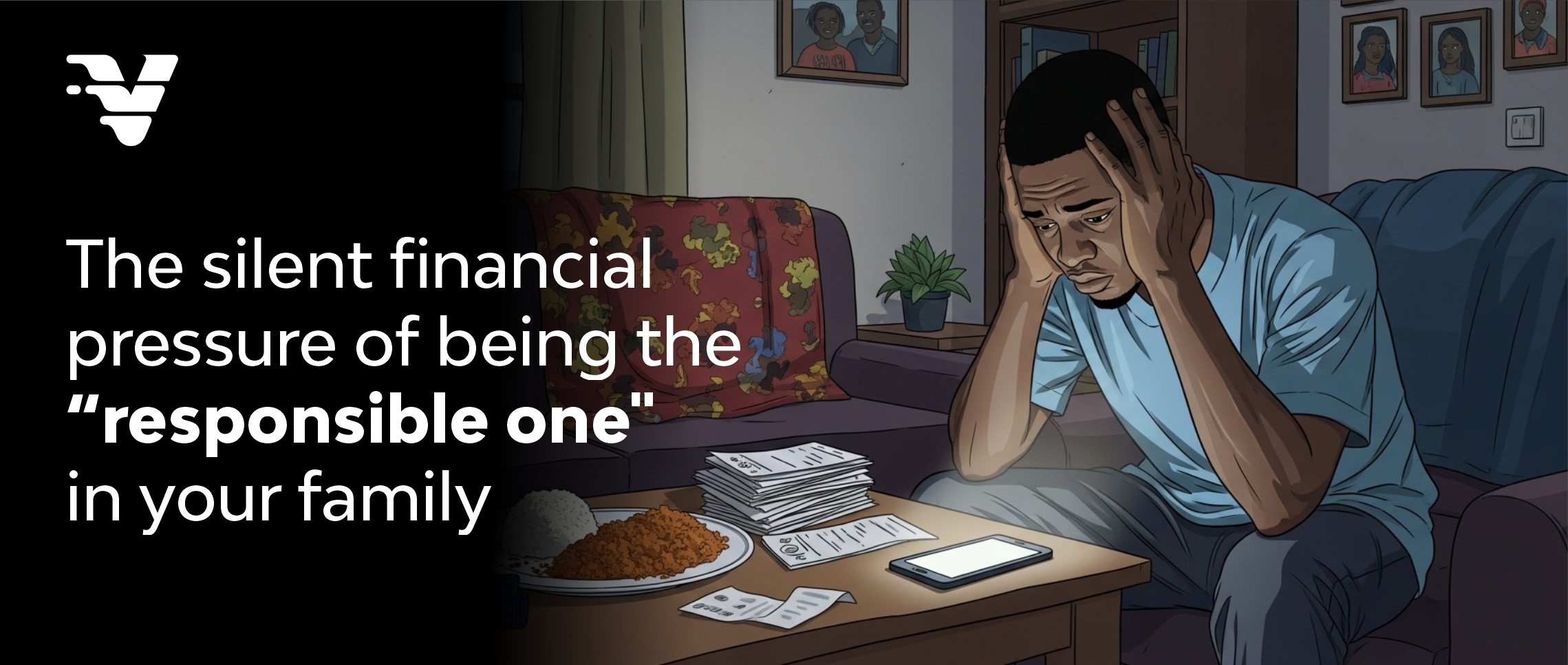

The Weight That Rarely Gets Talked About
The message rarely arrives with urgency. Most times it shows up quietly in the middle of an ordinary day. A call from home, a message from a sibling, or a simple greeting that slowly turns into something else. The conversation starts normally, but somewhere in the middle the real reason appears. School fees are due or rent is approaching faster than expected. And almost instinctively, everyone turns to the same person.
In many families, there is one phone that lights up first when money becomes part of the conversation. It is not because that person formally accepted the role or announced that they would carry the responsibility. Instead, it happens gradually. Over time, the family begins to believe that if something difficult comes up, this person will somehow find a way to solve it.
Black tax refers to the financial support many individuals provide to family members once they begin earning an income.
Creating a budget, setting clear boundaries, and using financial tools like dedicated savings plans can help manage family obligations.
The school fees conversation comes up and the same person is mentioned. A medical bill appears and their number is dialed first. A younger sibling needs support, a parent needs help with an unexpected expense, and somehow the responsibility lands on the same shoulders again and again. What began as small gestures of support slowly turns into a quiet expectation.
How People Quietly Become the Family Safety Net
In many Nigerian homes, financial responsibility does not arrive with a formal announcement. It develops slowly through everyday situations. Someone helps with a sibling’s school fees once. Another time they contribute to a medical bill. Later they assist with rent or provide money during a difficult month. Each moment feels reasonable and manageable on its own.
The role often falls on the person who appears most stable financially. It might be the one with a steady salary, the small business owner whose work seems to be growing, or the graduate who recently started earning an income. Family members naturally begin to rely on that person because they seem capable of helping when things become difficult.
Over time, these individual moments of support start to overlap. One financial request arrives before another one has been resolved. Personal bills are already waiting each month, including rent, transportation, groceries, electricity, and other daily expenses. When family responsibilities begin to stack on top of those obligations, managing money becomes significantly more complicated.
The Financial Pressure Many People Carry in Silence
Family support is deeply rooted in Nigerian culture. Many people grow up hearing that success should never be enjoyed alone. When one person begins to do well, their progress becomes something the entire family celebrates and benefits from. This sense of shared responsibility reflects strong values of loyalty, gratitude, and community.
However, there is another side to this reality that is rarely discussed openly. The pressure of being the financially responsible one can slowly become overwhelming, especially when there is no clear structure around how support happens. Many people continue helping quietly even when the financial strain begins to affect their own stability.
This experience has become widely recognised in many communities and is often referred to as black tax. The term describes the financial support individuals provide to family members once they begin earning money, particularly when they are seen as the most financially stable person in the household. For many Nigerians, black tax is not simply a concept discussed online. It is a real and ongoing part of everyday financial life.
The Emotional Weight Behind Financial Responsibility
Money conversations within families are rarely just about numbers. They are tied to emotions such as loyalty, responsibility, and gratitude. Many people who support their families genuinely feel proud of what they are able to do. Helping parents, siblings, or relatives often feels like a meaningful way to give back for the sacrifices that were made earlier in life.
At the same time, there are quieter moments that many people rarely talk about. Someone may look at their finances and realise that their own goals keep getting delayed. Saving for a home, building an emergency fund, or investing in a personal project can become difficult when a large portion of income consistently goes toward family obligations.
The emotional pressure becomes even stronger when the responsible one feels like they cannot say no. Each request sounds urgent and important, and declining assistance may come with guilt or worry about disappointing loved ones. Over time, constantly carrying this responsibility alone can lead to financial stress and emotional burnout.
Why Structure Matters When Supporting Family
One of the biggest financial mistakes people make when helping family is treating every request as an unexpected emergency. Without a system or plan in place, each situation requires an immediate decision that may disrupt personal budgets and savings goals. This reactive approach often creates unnecessary financial pressure.
Creating structure around family support does not mean becoming less generous or less caring. Instead, it introduces clarity and planning into how financial help is provided. When people set clear boundaries around what they can realistically contribute, it becomes easier to protect their own financial stability while still supporting loved ones.
Some practical habits can make a meaningful difference. Setting aside a dedicated portion of monthly income for family assistance can prevent personal finances from being stretched too thin. Planning ahead for predictable expenses like school fees or rent contributions also reduces last-minute financial stress. Honest communication with family members about financial limits can further help create realistic expectations.
Using Financial Tools to Manage Family Responsibilities
Managing multiple financial responsibilities becomes significantly easier when the right tools are available. Digital banking platforms now provide practical ways for people to organise their money and separate different financial obligations.
For example, someone supporting siblings through school may benefit from saving small amounts consistently instead of scrambling to gather a large sum when school fees become due. Features such as Target Savings on the VBank app allow users to create specific savings goals for responsibilities like education support or family projects. Over time, these small and consistent contributions accumulate into meaningful financial support.
Planning for larger financial commitments can also become easier through long-term savings options. Fixed Deposit on the VBank app allows users to set aside funds for a defined period while earning returns on that money. This approach helps individuals grow funds intended for future family needs without constantly dipping into everyday income.
Even routine expenses can become more manageable when they are organised properly. The bill payment feature on the VBank app allows users to settle services such as electricity, internet, and television subscriptions directly from their account. When everyday payments are handled in one place, it becomes easier to track spending and avoid unexpected financial pressure.
Protecting Your Own Financial Future
Being the responsible one in a family can be deeply meaningful, but long-term financial stability requires balance. When one person consistently carries the weight of multiple financial responsibilities, their own future plans may gradually disappear under the pressure.
Financial stability is not only about earning more money. It also depends on how effectively that money is managed. Protecting personal financial goals is essential because if the person providing support becomes financially unstable, the entire support system eventually weakens.
Maintaining balance requires setting realistic limits, prioritising savings, and making sure personal financial goals remain visible. Building a strong financial foundation ensures that someone can continue helping loved ones without constantly sacrificing their own progress.
A Healthier Way to Carry Responsibility
The silent financial pressure of being the responsible one is a reality that many Nigerians understand. It reflects the strength of family connections, but it also highlights the importance of planning and financial awareness.
Supporting family should not feel like a burden that slowly erodes personal stability. With thoughtful budgeting, structured savings, and the right financial tools, it becomes possible to balance generosity with financial security. Responsibility does not have to mean carrying everything alone without preparation.
When financial obligations are approached intentionally, people can continue showing up for their families while still building a stable future for themselves. Over time, small habits such as organised savings, careful budgeting, and consistent planning can transform overwhelming financial pressure into something far more manageable.